
There is nothing to be said about the woes of Nigeria’s meat sector that hasn’t been said before. From the pervasive unhygienic slaughter practices and poor waste disposal mechanisms to the absence of lairage and animal resting facilities that contravene animal welfare requirements, everything has been reported. Further complicating these problems are inadequate electricity supply and cold-storage facilities, poor veterinary and meat inspection manpower and lack of traceability that hinders effective monitoring and food safety controls.
At the same time, several interventions have been implemented, yet meaningful and lasting change has remained elusive for the sector. This is likely due to the complexities surrounding Nigeria’s meat-production value chain with issues tied to livelihoods, culture, public health and governance. In this article, we break these complexities into three parts – The People, The Place and The Products – in an attempt to bring perspectives to their unique challenges and propose viable and sustainable interventions.
The People
The actors at the centre of the Nigerian meat market can be categorised into three main groups: the supply-side actors, the regulators and the demand-side actors.
The demand-side actors such as retailers, food vendors, and individual consumers…remain a powerful but under-acknowledged force that can directly influence the supply-side actors and drive improvements in the sector, if they choose to prioritise safer, more hygienically sourced products
On the supply side are those individuals whose livelihoods, identities, and daily survivals depend on the industry. These include livestock farmers, transporters, butchers, and slaughterhouse workers, who were either born into the trade or gained their expertise through years of informal apprenticeship. Although highly skilled, many have limited or no formal education. Most are men who depend on daily earnings, making them highly sensitive to any changes that might disrupt their income. As a result, interventions or regulations are sometimes met with strong resistance, including the threat of violence. Nevertheless, interventions have mostly focused on this group, particularly the butchers and slaughterhouse workers (Grace et al., 2012), with strategies involving training workshops, certification schemes, and provision of personal protective wears.
Regulatory actors form the second group. These include veterinarians, meat inspectors, and environmental health officers responsible for ensuring animal welfare, supervising humane slaughter, and maintaining hygiene and safety in abattoirs. However, their numbers in any abattoir are often insufficient compared to the volume of animals processed daily, making proper supervision nearly impossible. Besides, limited efforts have been directed towards strengthening the capacities of this group despite their critical role in maintaining food safety standards. Recruiting more officials and providing updated training and guidance, including promoting digitalisation of reports will be crucial for improving the efficiency of these groups of actors.
The third group represents the demand-side actors such as retailers, food vendors, and individual consumers who purchase, cook or process meat for sale or personal consumption. Although diverse in socioeconomic and educational background, this group largely consists of women (Odetokun et al., 2022) with limited decision-making power and financial independence. Hence, interventions have typically focused on improving post-market handling and storage practices like proper washing and thorough cooking of meat. Yet, their daily purchasing choices remain a powerful but under-acknowledged force that can directly influence the supply-side actors and drive improvements in the sector, if they choose to prioritise safer, more hygienically sourced products. Interventions focusing on understanding the preferences and behaviour of this group, increasing awareness, and strengthening their purchasing power are, therefore, needed to promote better abattoir standards.
The Place
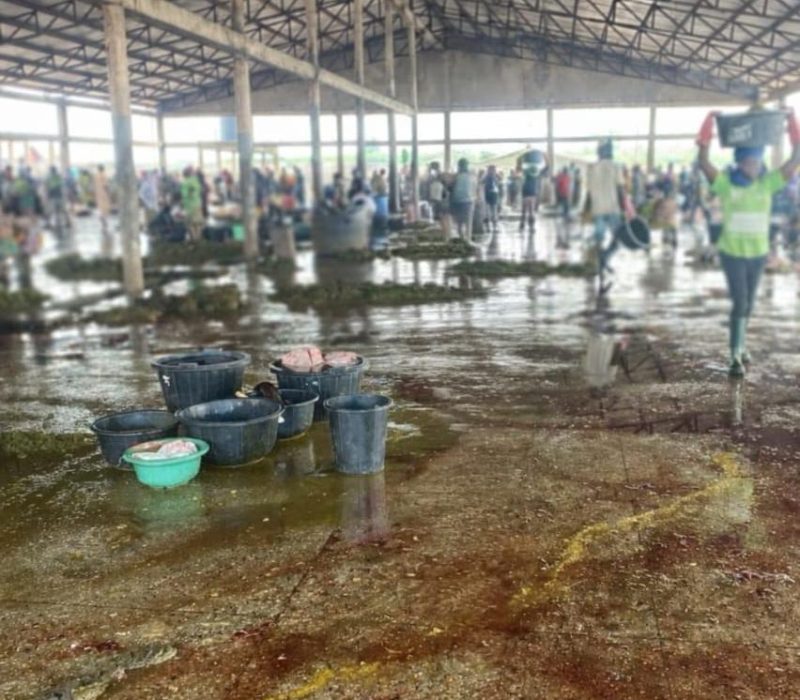
Chaotic mess is the term that describes the environment and operations obtainable in many abattoirs across the country. Many operate traditional, open-air slaughter slabs with flies, pests and vermin moving around carcasses freely. Waste disposals are either ineffective or completely lacking. Also, many slaughterhouses exist uncomfortably close to markets and residential spaces, thereby, contaminating the environment, waterways and drainages with odours, effluents and waste products. The problem of weak infrastructure such as unreliable electricity is compounded by the poor maintenance of existing ones like water supply making cold-storage, personal and environmental hygiene almost impossible.
Interventions targeting abattoir operations, including the forced-closure of poorly compliant abattoirs and periodic worker training and certifications, often focus on government-managed and registered operations. However, a growing number of unregistered abattoirs, private slaughter slabs, and poultry stalls offering on-site slaughter are scattered around the country. A 2008 article by Nwanta et al., estimated that about 30 state-managed abattoirs and over 1200 slaughterhouses/slabs operate across the country (Nwanta et al.,2023). Recently, off takers who purchase live animals, arrange slaughter at abattoirs and redistribute carcasses through online channels have also emerged. While some of these informal operations arose in response to the poor state of the available registered ones, their lack of authorisation makes supervision and hygiene compliance extremely difficult for regulators. To address these, government agencies would need to prioritise formal registration of all abattoir types, supported by improved data collection and digital registries that capture their locations, capacities and compliance records.
Nevertheless, an opportunity exists to tap into the interests of these private entities in improving abattoir operations through structured public-private partnerships (PPPs). Such PPPs could involve outsourcing key components of the daily abattoir management such as waste collection, water supply services and cleaning contracts to private businesses with the capacity and incentives to deliver better standards.
The PRODUCT
Nigerians love their meat. Almost every part of an animal’s carcass is palatable to the Nigerian palate. From the tongue to the feet, skin to bone marrow, Nigerians consume everything, except perhaps, the hairs, feathers, hooves and horns. It is, therefore, surprising that a people with so much love for meat parts would care so little about the lives where that came from.
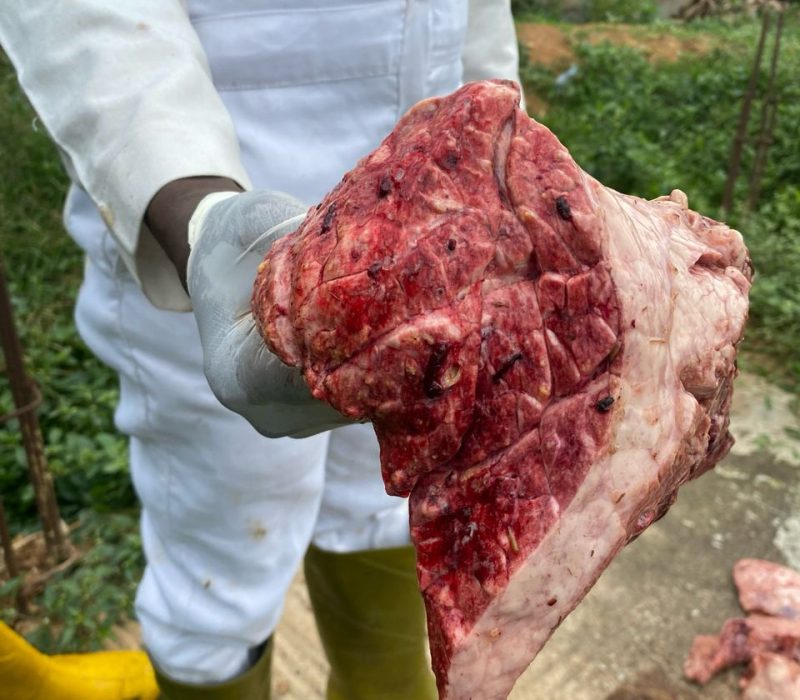
Animals sent to slaughter are often not the healthiest of the flock. ‘Gifa’ is a common term among Nigerians, particularly of Yoruba ethnicity, to describe an acutely ill animal that is quickly slaughtered before dying. While this is an acceptable practice for an animal injured by accident, systemically ill and moribund animals should ideally receive treatments and undergo withdrawal periods before entering the food chain. Where an animal is terminally ill or too costly to treat, they should be euthanised and discarded appropriately. Unfortunately, reports of already dead animals being bled and processed for human consumption have been reported by several news agencies across the country (Uti, 2023). These practices pose significant One Health threat through disease transmission to humans and animals and the potential release of infectious and bioweapon agents like anthrax into the environment. Similarly, the widespread slaughtering of pregnant animals in many abattoirs present significant animal welfare concerns for both dam and foetuses, in addition to economic consequences and risks to public health.
Given the One Health importance of the Product, a holistic approach, grounded in an improved animal welfare education across the livestock value chain is therefore essential. These should include
- Strengthening veterinary capacity and education to provide veterinarians with updated skills for identifying and treating sick animals and supporting farmers’ understanding of animal health risks. Veterinarians and para-veterinarians should be trained to promote ethical decisions including condemnation and safe disposal of condemned animal parts and products
- Improved farmer knowledge and on-farm practices to encourage the adoption of preventive health practices including adherence to drug withdrawal periods
- Standardising pricing across states to minimise long-distance travels while incentivising higher welfare standards by placing premium on healthy and stress-free animals arriving at slaughter
- Introducing livestock insurance schemes to protect farmers against loss and reduce the need to sell dying or dead animals
- Improving the animal by-product processing and manufacturing industry to promote the uptake and repurposing of products not fit for human consumption
- Strengthening regulatory oversight and enforcement against the processing of dead animals and other harmful abattoir practices
In summary, sustainable transformation of the Nigerian meat sector can be achieved by empowering consumers to demand safer product, engaging private entities for service improvement, and strengthening regulatory and veterinary capacity while protecting the livelihoods of butchers and abattoir workers that depend on the system. Likewise, embedding principles of animal welfare right from animal sourcing to humane slaughter will go a long way in promoting public health and economic efficiency across the entire value chain.
Resources
Grace, D., Dipeolu, M., Olawoye, J. et al. Evaluating a group-based intervention to improve the safety of meat in Bodija Market, Ibadan, Nigeria.Trop Anim Health Prod 44 (Suppl 1), 61–66 (2012). https://doi.org/10.1007/s11250-012-0208-z
Odetokun, I. A., Afolaranmi, Z. M., Nuhu, A. A., Borokinni, B. O., Ghali-Mohammed, I., Cisse, H., & Alhaji, N. B. (2022). Knowledge and self-reported food safety practices among meat consumers in Ilorin, Nigeria.Dialogues in Health, 1, 100039. https://doi.org/https://doi.org/10.1016/j.dialog.2022.100039
Nwata, J. A., Onunkwo, J. I., Ezenduka, V. E., Po, P.-E., & Egege, S. C. (2008). Abattoir operations and waste management in Nigeria: A review of challenges and prospects. In Sokoto Journal of Veterinary Sciences (Vol. 7, Number 2).
Emmanuel Uti. Special Report: Inside Lagos Abattoir Where Sick, Dead Animals are Slaughtered and Vets Turn Blind Eye. Foundation for Investigative Journalism (2023).
More From Vetstar
Much ADO ABOUT NIGERIAN Abattoirs: What CAN BE DONE TO IMPROVE THE SECTOR
ByZaharat Kadri-Alabi
March 31, 2026
Blog
In this article, we move beyond highlighting the usual problems of the Nigerian meat sector, to breaking the sector down into its component parts – The People, The Place, and The Products – in order…
Read More
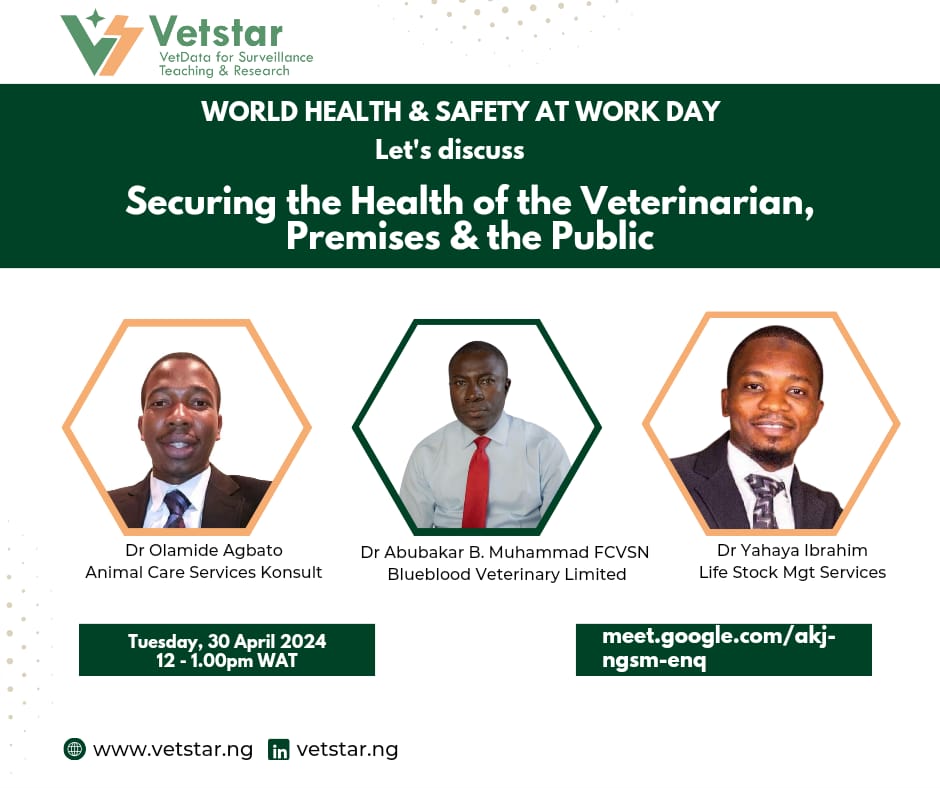
Safeguarding Human and Animal Lives: Experts Call for Enhanced Disease Surveillance in Nigeria
ByZaharat Kadri-Alabi
May 26, 2024
Press Report
Veterinary experts have called on veterinarians across the country to support improvement in surveillance and reporting of diseases in Nigeria to safeguard human lives as well as animals’ lives. They…
Read More

Getting STARTED IN RESEARCH: tips for emerging scientists
Byadmin
March 13, 2024
Blog
Author: Fatihah Abdussalam, Research Intern You have an inquisitive mind and feel the need to find answers to questions that could help humanity or establish a fact. You love to carry out experiments…
Read More
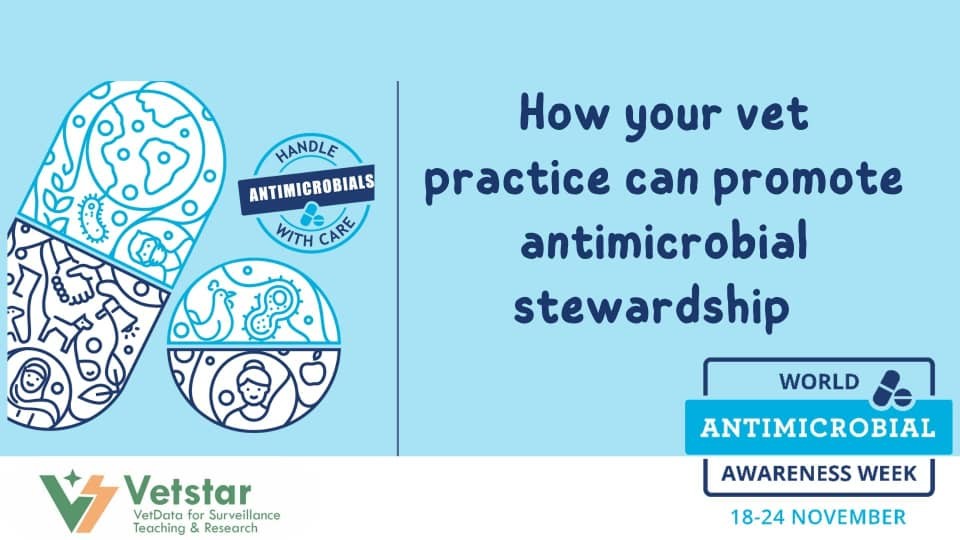
How Your Vet Practice can Promote Antimicrobial Stewardship
ByZaharat Kadri-Alabi
December 12, 2023
Blog
Antimicrobial resistance (AMR) poses risks to both human and animal health. In animals, AMR leads to treatment failure and a potential recourse to euthanasia or culling of animals. The search for an…
Read More
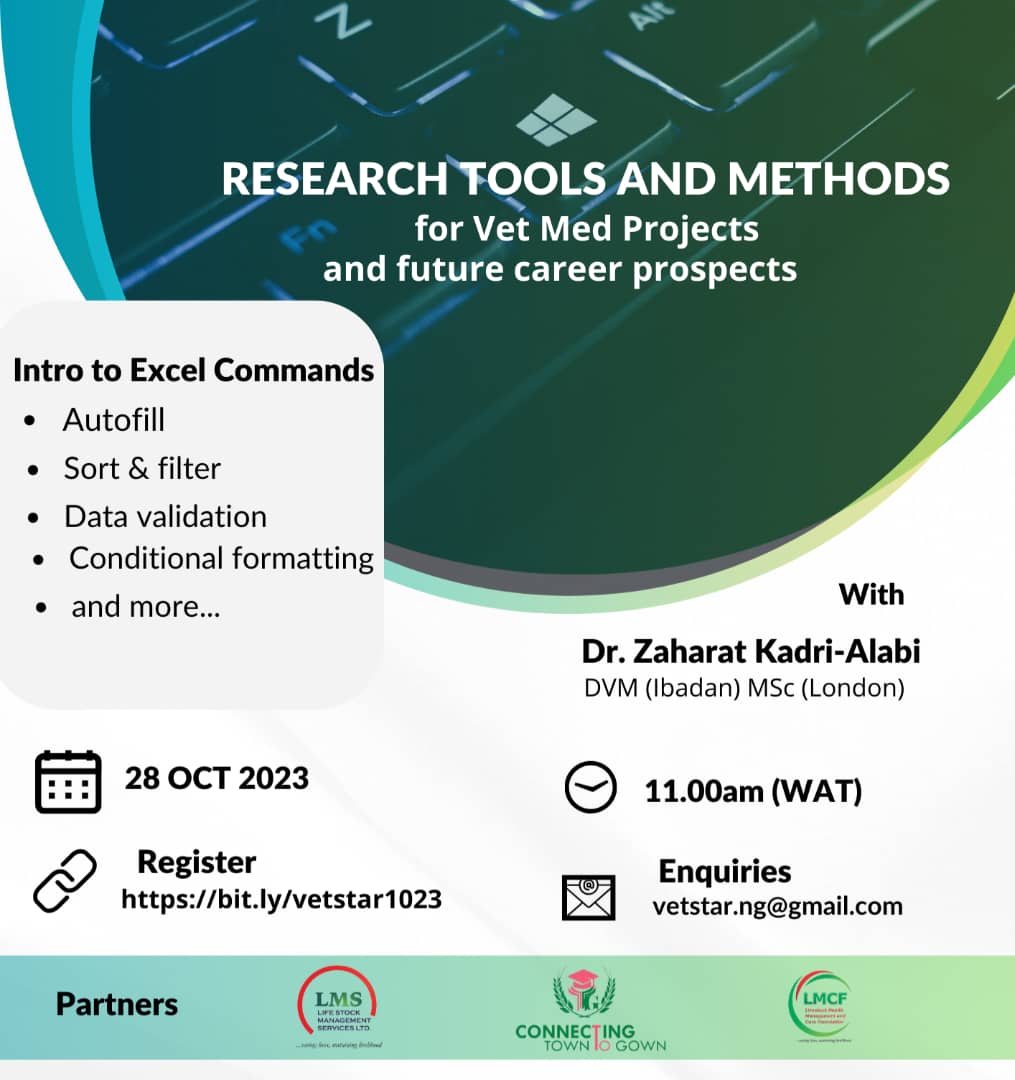
Intro to Excel Commands
ByZaharat Kadri-Alabi
November 24, 2023
Training
…
Read More
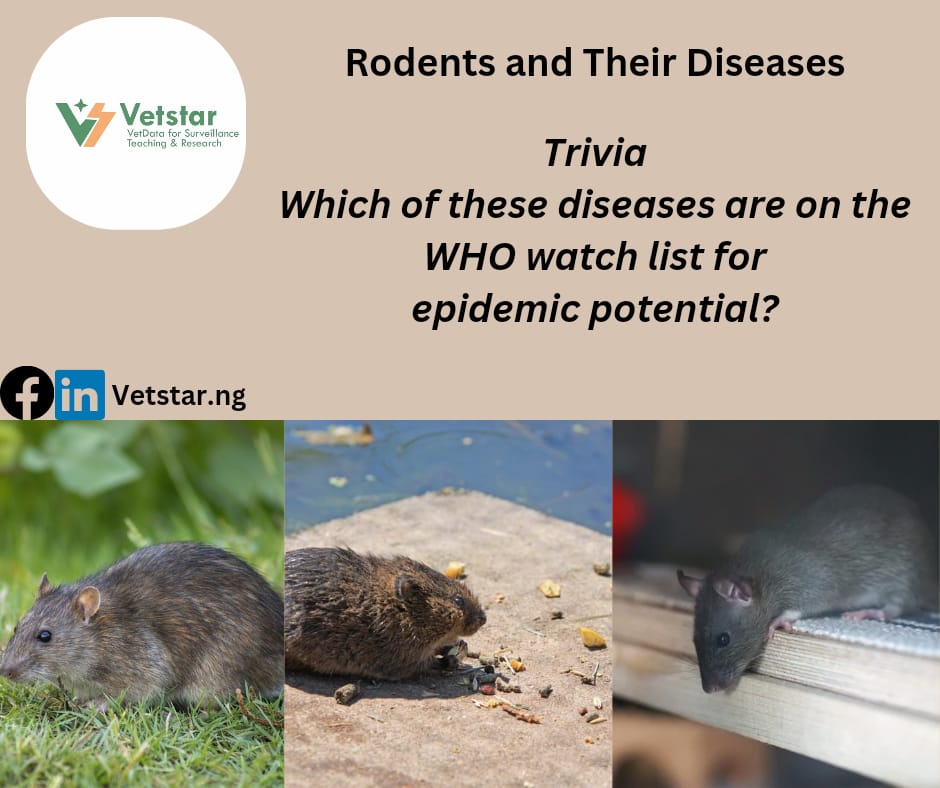
Rodents and their Diseases
ByZaharat Kadri-Alabi
November 24, 2023
Uncategorized
These cute, furry animals are one species you want to keep outside of your homes if nothing but for their destructive habits. With only a pair of lower and upper teeth, they can gnaw into any…
Read More