
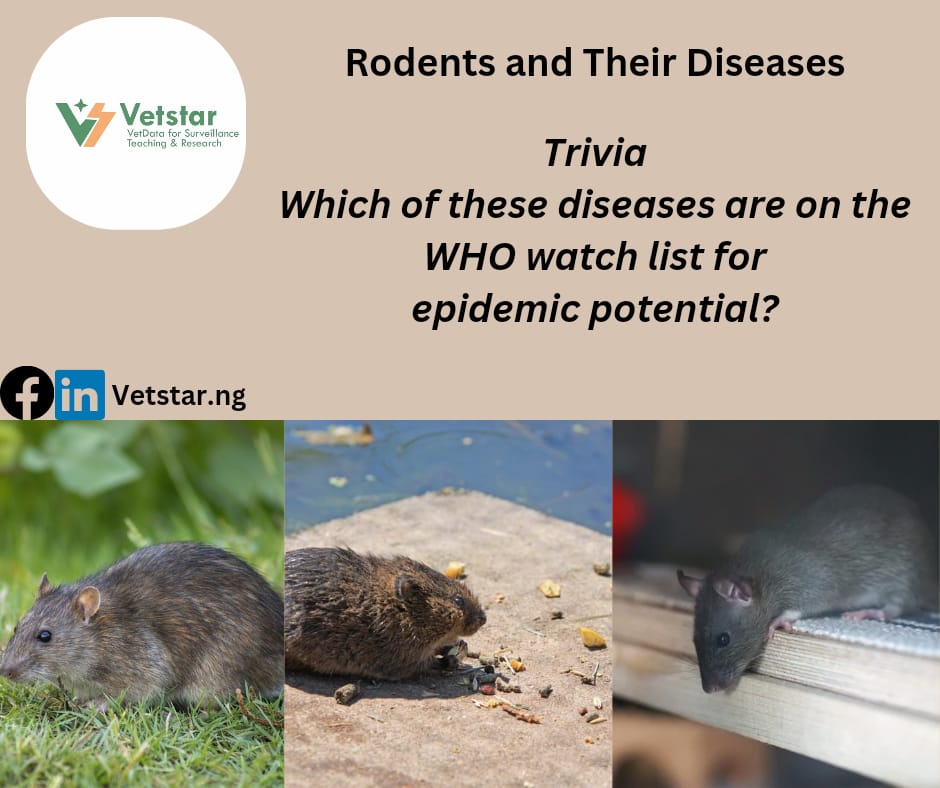
These cute, furry animals are one species you want to keep outside of your homes if nothing but for their destructive habits.
With only a pair of lower and upper teeth, they can gnaw into any material except steel – wood, plastic, and textiles. Back in the boarding school, they would even chew on people’s feet and palms while they sleep.
As if those are not enough reasons to never want them in our homes, they also happen to harbour and transmit many diseases including some very deadly ones to humans.
Examples of diseases they transmit include;
1. Lassa fever: a viral infection that can lead to diarrhoea, frequent vomiting, bleeding from the eyes, nose and gums and temporary deafness in severe cases. Rodents transmit this disease by contaminating foods and drinks with infected urine and faeces.
2. Leptospirosis to humans and pets when they come in contact with the urine or blood of infected rodents. Leptospirosis is a bacterial infection that can lead to liver or kidney problems if not treated on time.
3. Mpox (monkeypox): Although the role animals like rodents play in Mpox spread is still under study, some findings suggest that transmission occurs when humans come in contact with an infected animal’s blood either during hunting or trapping. Mpox causes painful rash on the face, hands, feet and around the genitals in infected humans. Other symptoms like fever and sore throat may also occur.
Rodents were also implicated in the world’s deadliest pandemic called the Plague (Black Death). They don’t directly spread Plague, but they carry fleas, the insects that infect humans with Plague.
***
The good news is there are steps you can take to keep these animals out. Make efforts to block holes, gaps and entryways around the house. Keep food in tightly covered containers and clean food spills immediately. Clear over-grown bushes and keep garbage in and around the house covered. You don’t want to go on a rodent extermination spree (they still have some usefulness for the environment – more on this soon), however, if you have to trap any rodents already in your home, try to avoid getting into contact with their fluids, carcasses or droppings.
Written by Zaharat Kadri-Alabi for Vetstar.ng