
How Your Vet Practice can Promote Antimicrobial Stewardship

Antimicrobial resistance (AMR) poses risks to both human and animal health. In animals, AMR leads to treatment failure and a potential recourse to euthanasia or culling of animals. The search for an effective treatment can, in turn, lead to significant financial cost to pet owners and livestock farmers, and depressed emotional and mental state where animals have to be euthanised or culled. On the part of the Veterinarian, frequent treatment failure in the facility has the potential of reducing credibility and reputation of the vet practice.

The Veterinary sector, therefore, has an important role to play in protecting the efficacy of available antimicrobials. More so, because antimicrobials, particularly antibiotics are often consumed in large quantities (treatment of large flocks of animals as opposed to individual treatment in humans) in the veterinary sector, further driving resistance.

The good news is that there are simple strategies, collectively known as antimicrobial stewardship, that every veterinary practice, and indeed, every individual, can implement to limit the development and spread of antimicrobial resistance. We have highlighted five of those here:

  1. Veterinary staff education: Staff should be educated about the risks of AMR to themselves, animals and the environment and the importance of maintaining good infection and prevention protocol when handling animals. Staff education should also include updated knowledge on first-line, restricted and reserved antibiotics (see WOAH and WHO categorisation) and emphasis should be placed on ensuring correct dosing and duration regimen when administering antimicrobial therapy.
  2. Limit antimicrobial use: Many infections in animals are self-limiting i.e., would normally resolve on their own and would often not require antimicrobial treatments. In this cases, immune-boosting medications, adequate nutrition, biosecurity and plenty of rest are usually all that is needed to get the animal back to health. Antimicrobials for self-limiting infections should be considered only for immuno-compromised or otherwise severely unhealthy animals. Also, discourage antimicrobial prophylaxis, especially in food-producing animals (treating healthy animals as prevention against infection), rather promote good hygiene and biosecurity in farms and premises to keep infections at bay.
  3. Conduct microbial and antimicrobial susceptibility tests (AST): Liaise with a microbiology laboratory, or if possible, establish one in your facility, to confirm suspected disease-causing organism and what antimicrobial it is susceptible to before commencing treatment. AST is particularly indicated where first-line treatment has failed.
  4. Educate clients: Clients should be regularly educated on the importance of vaccinating pets and livestock against diseases. Up-to-date vaccination protect animals against diseases including bacterial diseases like leptospirosis and prevent development of secondary bacterial infections common with viral diseases. Clients also need to be educated on the importance of following-up and completing treatment course.
  5. Regular review of practice and guideline: Regularly review the usage of antimicrobials in your facility- what antimicrobials are being prescribed more often and for what disease, which ones appear to be failing, what is the AMR profile of your facility based on AST tests conducted, are staff deferring to your treatment guideline or is empiric treatment more common? Did we miss anything? Tell us in the comment box or in our DM.

Section Title

MUCH ADO ABOUT NIGERIAN ABATTOIRS: WHAT CAN BE DONE TO IMPROVE THE SECTOR

In this article, we move beyond highlighting the usual problems of the Nigerian meat sector, to breaking the sector down into its component parts - The People, The Place, and The Products - in order...
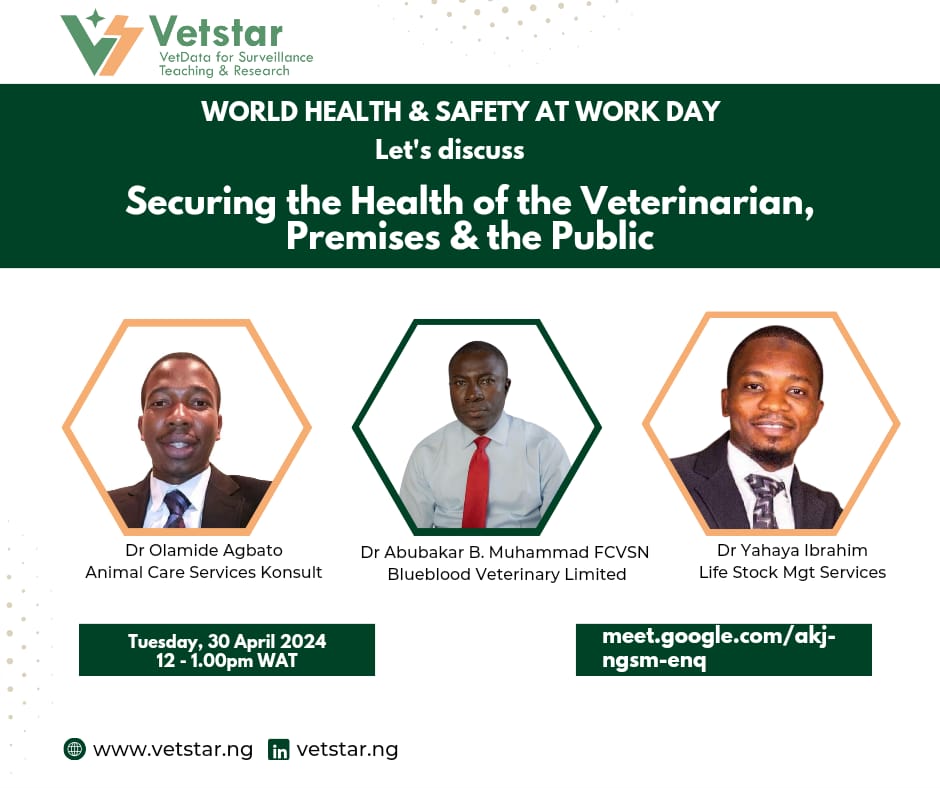
Safeguarding Human and Animal Lives: Experts Call for Enhanced Disease Surveillance in Nigeria

Veterinary experts have called on veterinarians across the country to support improvement in surveillance and reporting of diseases in Nigeria to safeguard human lives as well as animals’ lives. They...

Getting STARTED IN RESEARCH: tips for emerging scientists

Author: Fatihah Abdussalam, Research Intern You have an inquisitive mind and feel the need to find answers to questions that could help humanity or establish a fact. You love to carry out experiments...
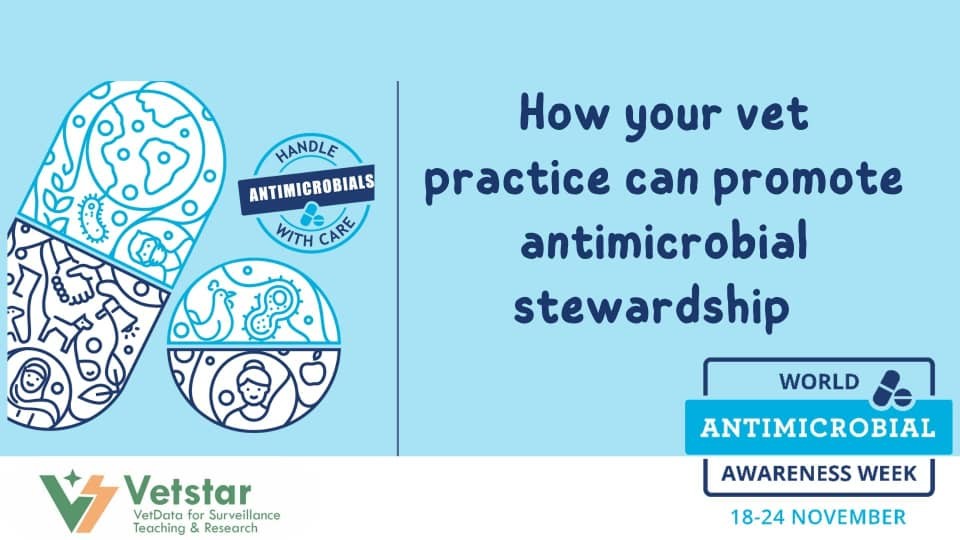
How Your Vet Practice can Promote Antimicrobial Stewardship

Antimicrobial resistance (AMR) poses risks to both human and animal health. In animals, AMR leads to treatment failure and a potential recourse to euthanasia or culling of animals. The search for an...
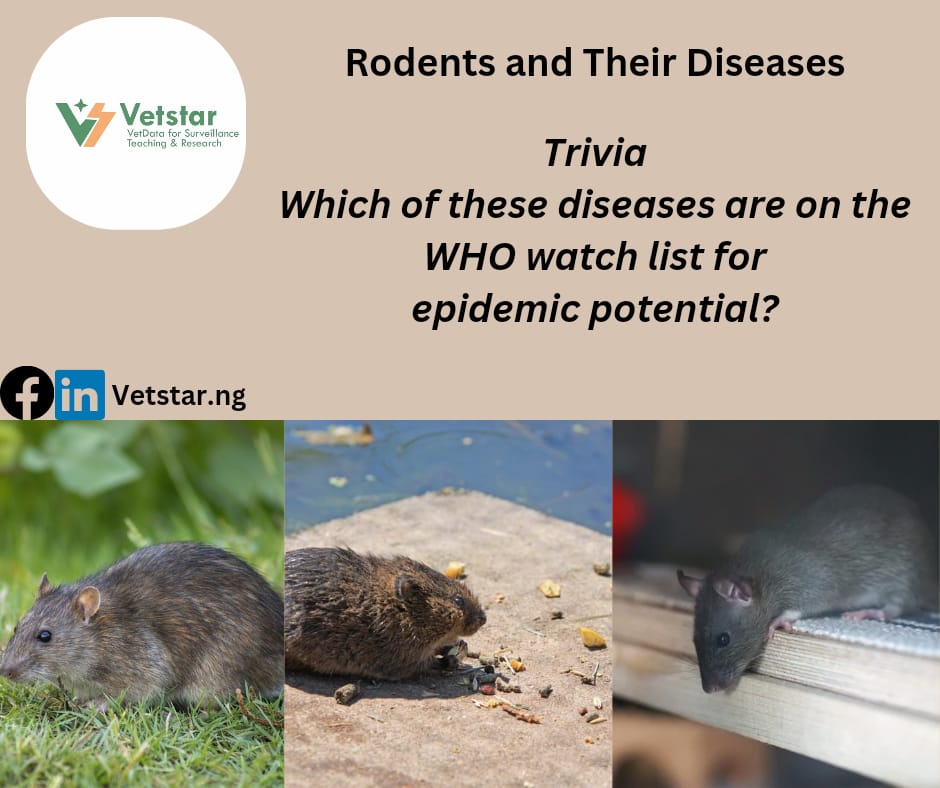
Rodents and their Diseases

These cute, furry animals are one species you want to keep outside of your homes if nothing but for their destructive habits.  With only a pair of lower and upper teeth, they can gnaw into any...